Conventional Rabbit Immunization
Contract immunization and scheduled blood collection for defined production projects and repeat programs.
Contract rabbit immunization using New Zealand rabbits, with conventional and SPF programs. Clients provide the antigen, adjuvant and approved protocol; we execute immunization, blood collection and antiserum preparation, with optional ELISA titer monitoring.
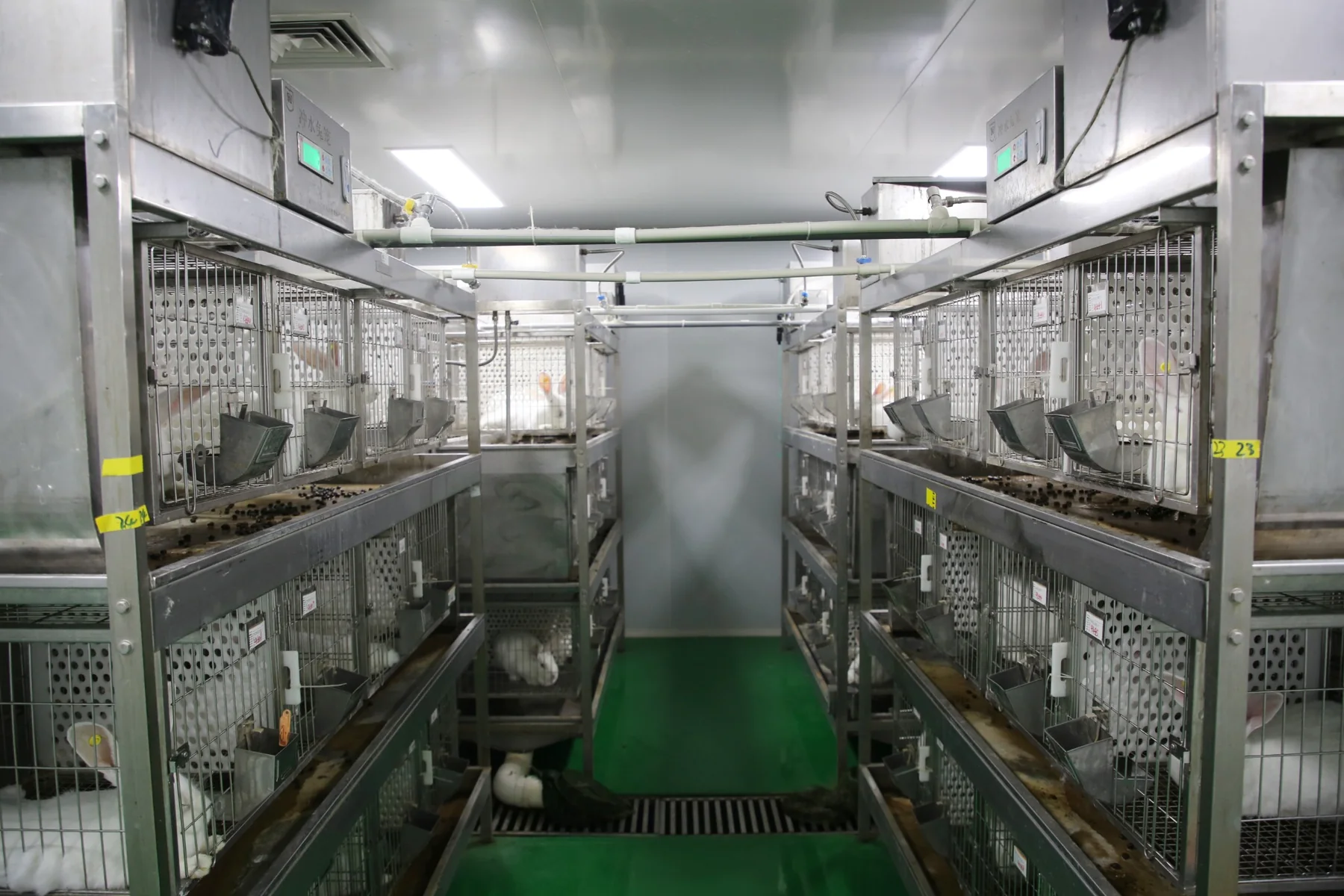
Our role is the operational execution of customer-directed immunization programs, not antigen discovery or complete custom antibody development.
Contract immunization and scheduled blood collection for defined production projects and repeat programs.
SPF rabbit capacity is available for projects with agreed animal specifications. Documentation and availability are confirmed case by case.
Repeated collection from individually identified animals can support continuing antiserum supply, subject to approved protocols, animal welfare and veterinary oversight.
Immunization, collection, processing and delivery follow the agreed customer protocol and contractual work scope.
Customers normally provide both the antigen and the immunization program. Our team provides the animal work and resulting antiserum according to the agreed specifications.
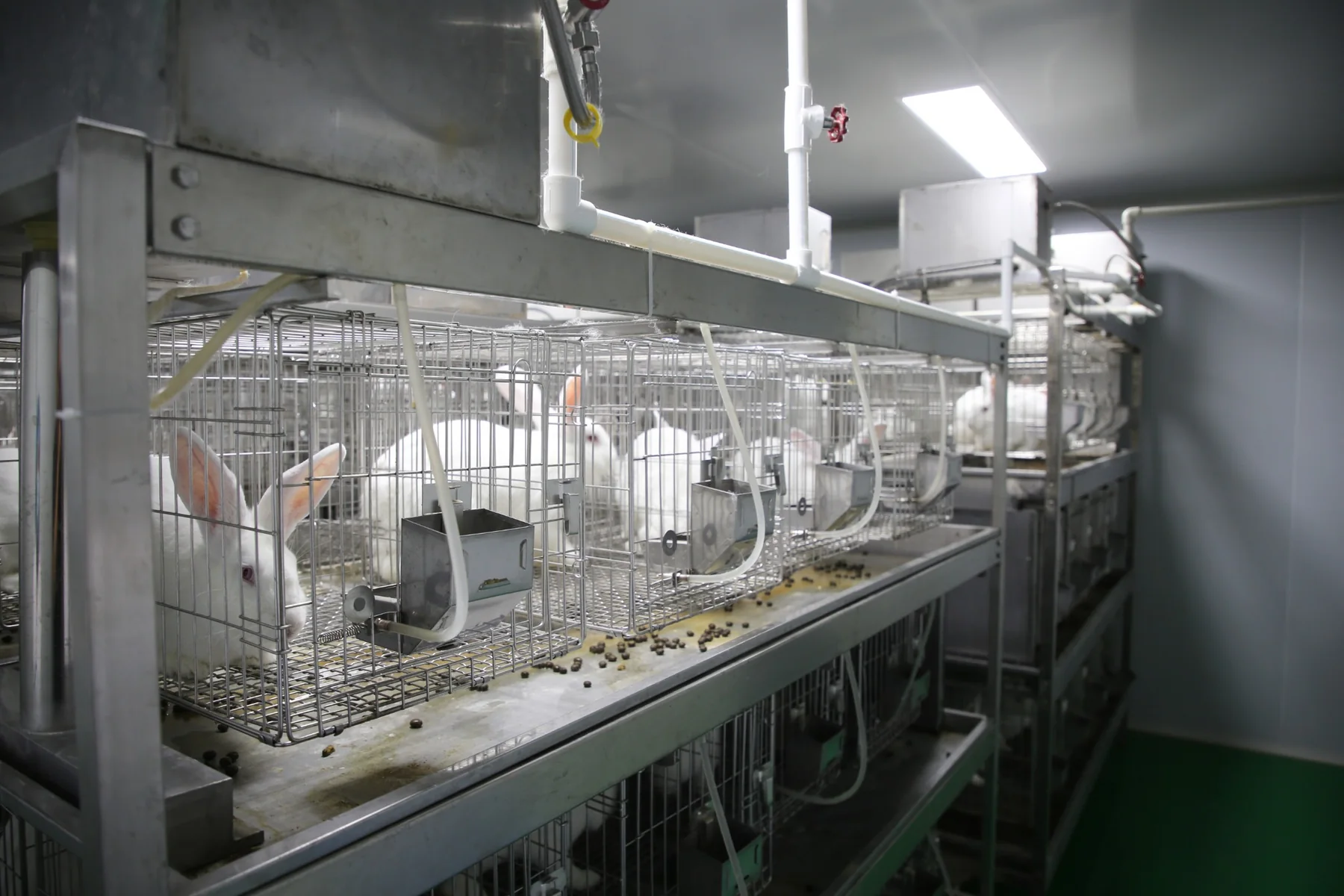
Production plans are defined with each customer. Both models can include customer-directed trial bleeds and documented project decisions.
Execute the agreed immunization schedule, collect interim samples for review when required, and proceed to terminal blood collection only after customer authorization and appropriate veterinary and animal welfare approval.
After the agreed titer or other acceptance criteria are met, suitable animals may enter a long-term schedule with approved maintenance immunization and repeated blood collection. The program remains subject to animal health and veterinary oversight.
Typical durations describe existing project models, not guaranteed animal lifespan, guaranteed titer or a fixed collection frequency.
Typical operating parameters from our existing rabbit immunization projects. Final animal specifications, dose, route and collection plan follow the customer-approved protocol and veterinary review.
Available for conventional-grade and SPF rabbit immunization programs, subject to project requirements.
Rabbits typically weigh no less than 2.5 kg when immunization begins.
Subcutaneous (SC) and intradermal (ID) routes are supported, as specified in the approved protocol.
Typical total inoculation volume per animal at each immunization; actual dose and distribution depend on the approved protocol.
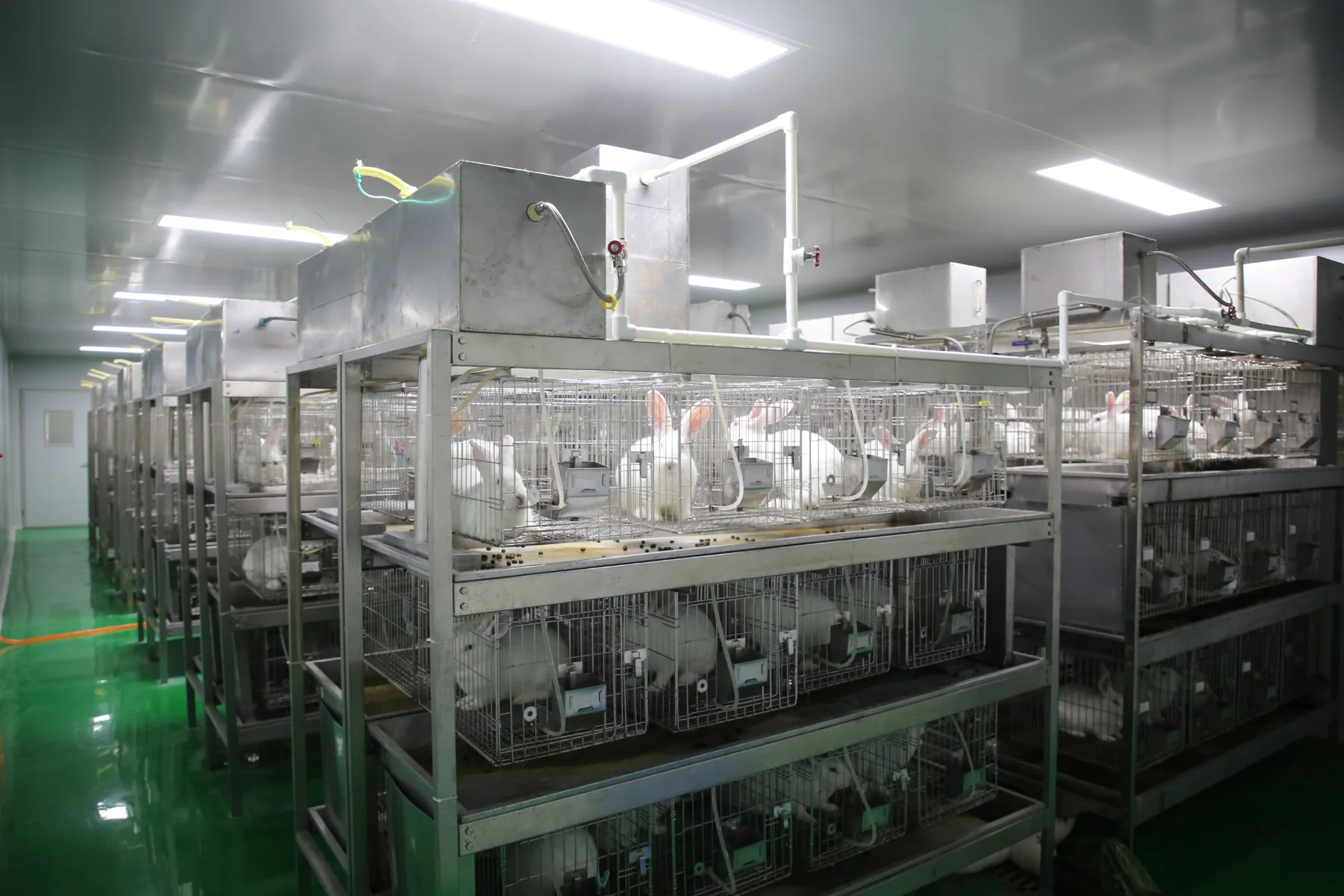
Temperature- and humidity-controlled barrier housing is maintained at approximately 18–22°C year-round.
Typical serum volume available per rabbit at project completion; volumes vary with animal condition and the agreed collection plan.
This is an example of our usual schedule, not a universal protocol. The customer defines and approves timing, antigen–adjuvant formulation and sampling checkpoints.
Antigen is typically emulsified with Freund's Complete Adjuvant (CFA/FCA) for the first immunization.
Approximately 21 days after the first immunization; typically using Freund's Incomplete Adjuvant (IFA/FIA).
Typically 14 days after the second immunization. Subsequent boosters generally follow 14-day intervals.
A test bleed is generally collected after the third immunization for antibody titer evaluation by the customer's laboratory or optional in-house ELISA.
We commonly use Sigma-brand Freund's adjuvants in customer-directed programs. Antigen and adjuvant are supplied by the customer; preparation and use are agreed before work begins.
For large projects, we can collect rabbit serum samples and send them to customers for pre-project testing, including requested colony-background assessments. The customer determines the assay and confirms whether serum is a suitable sample. Genetic testing is not performed by RabbitSerum.
Example dates assume the primary immunization occurs on Day 0. Sampling is performed after the third immunization at a protocol-defined time, not necessarily on Day 35. All schedules are subject to approved protocols, veterinary oversight and animal welfare requirements.
For immunization projects requiring antigen–adjuvant emulsions, we offer several preparation methods selected according to the customer-approved formulation and protocol.
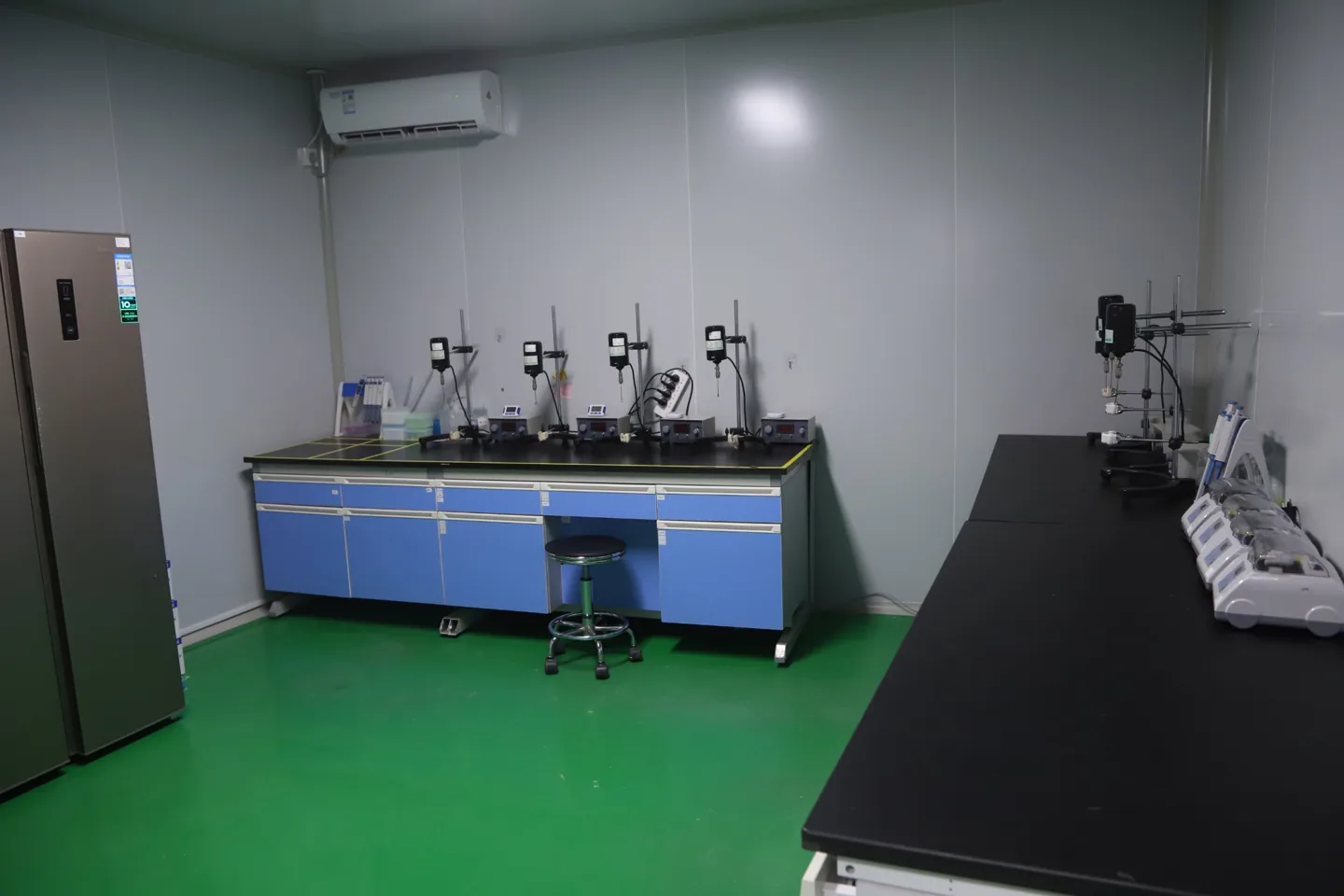
Our preparation area supports a range of customer-specified emulsification workflows. The photographs below document actual equipment and working methods.
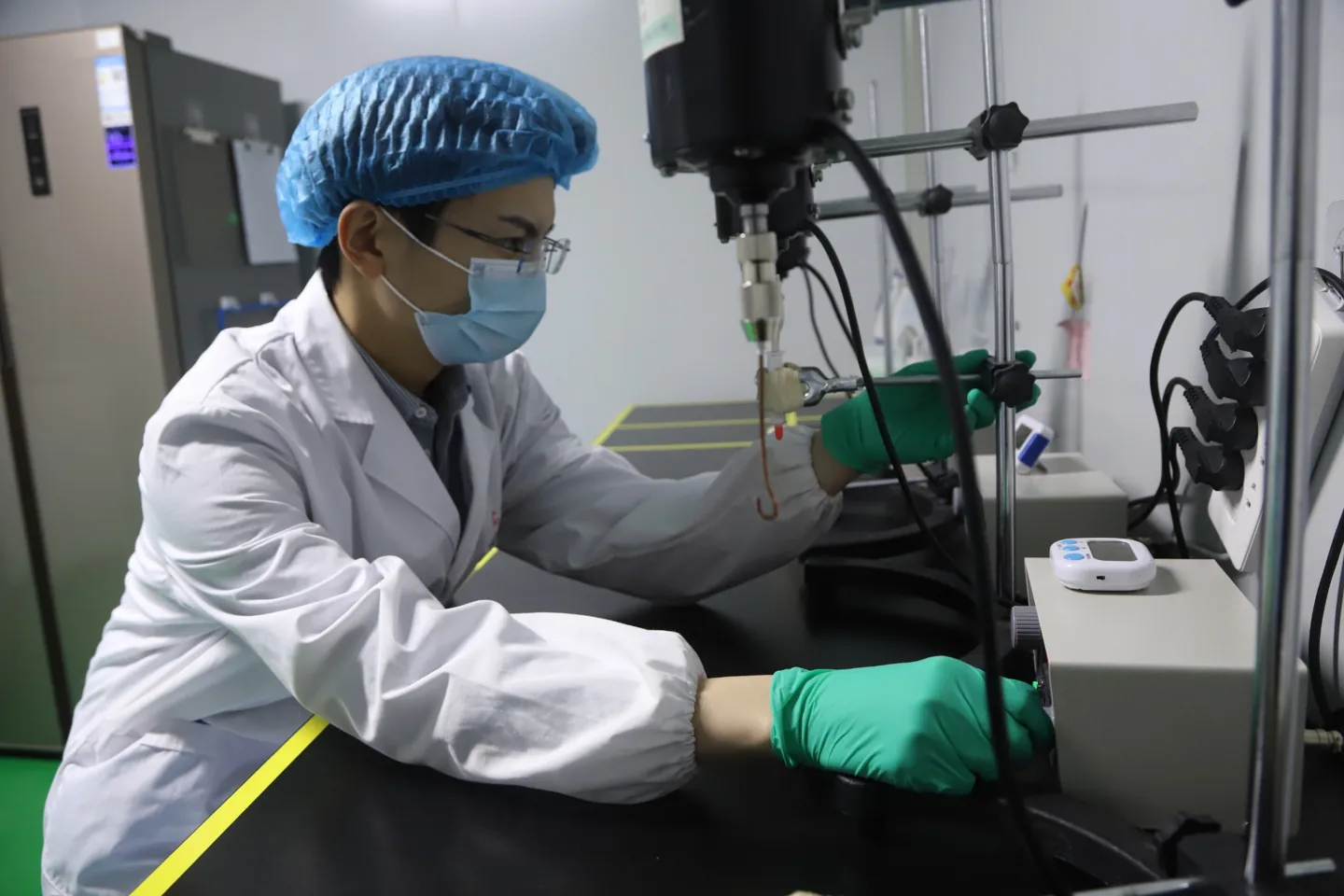
Electric stirring where appropriate for the agreed antigen–adjuvant formulation.
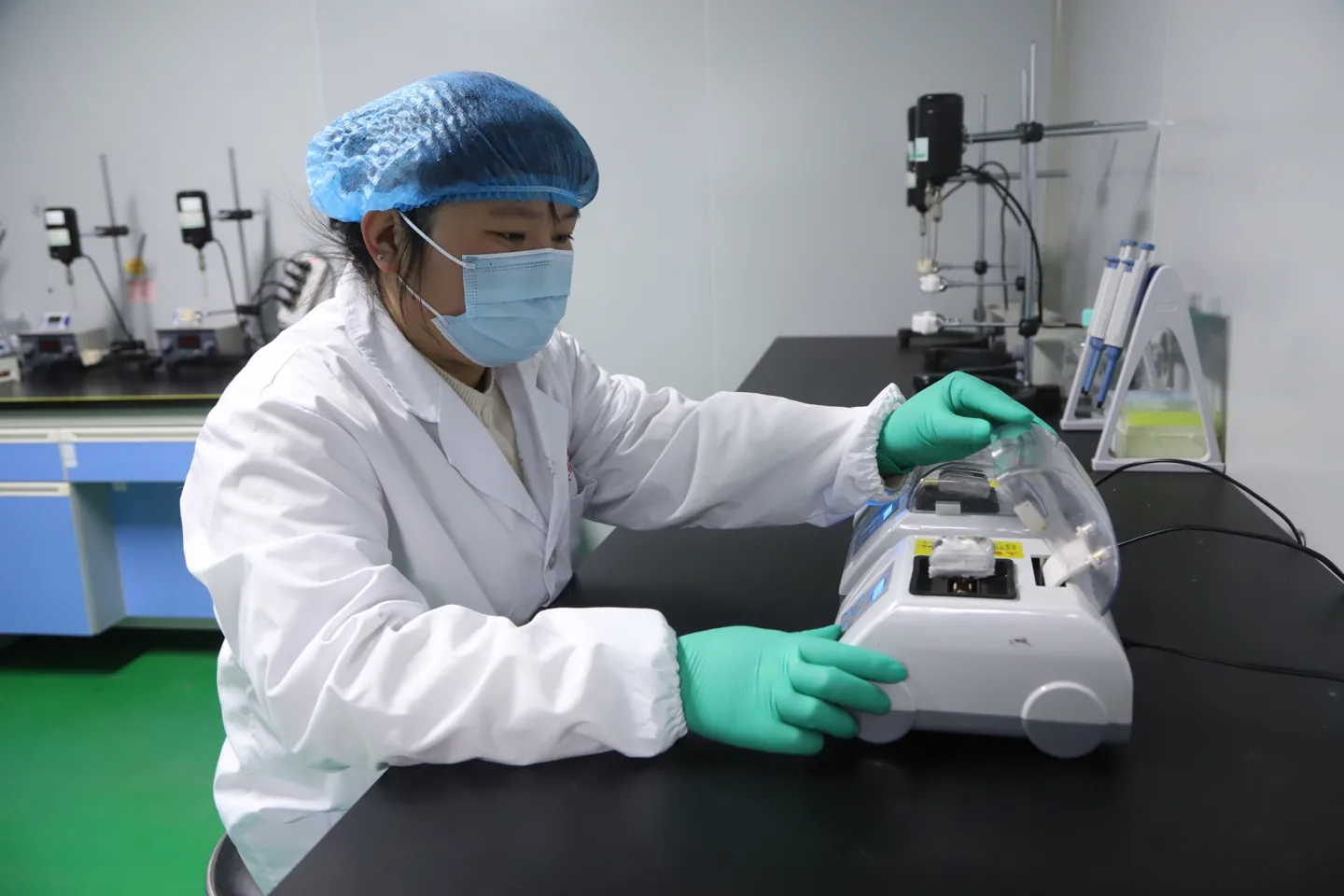
Shaker-based preparation under the customer-approved procedure.
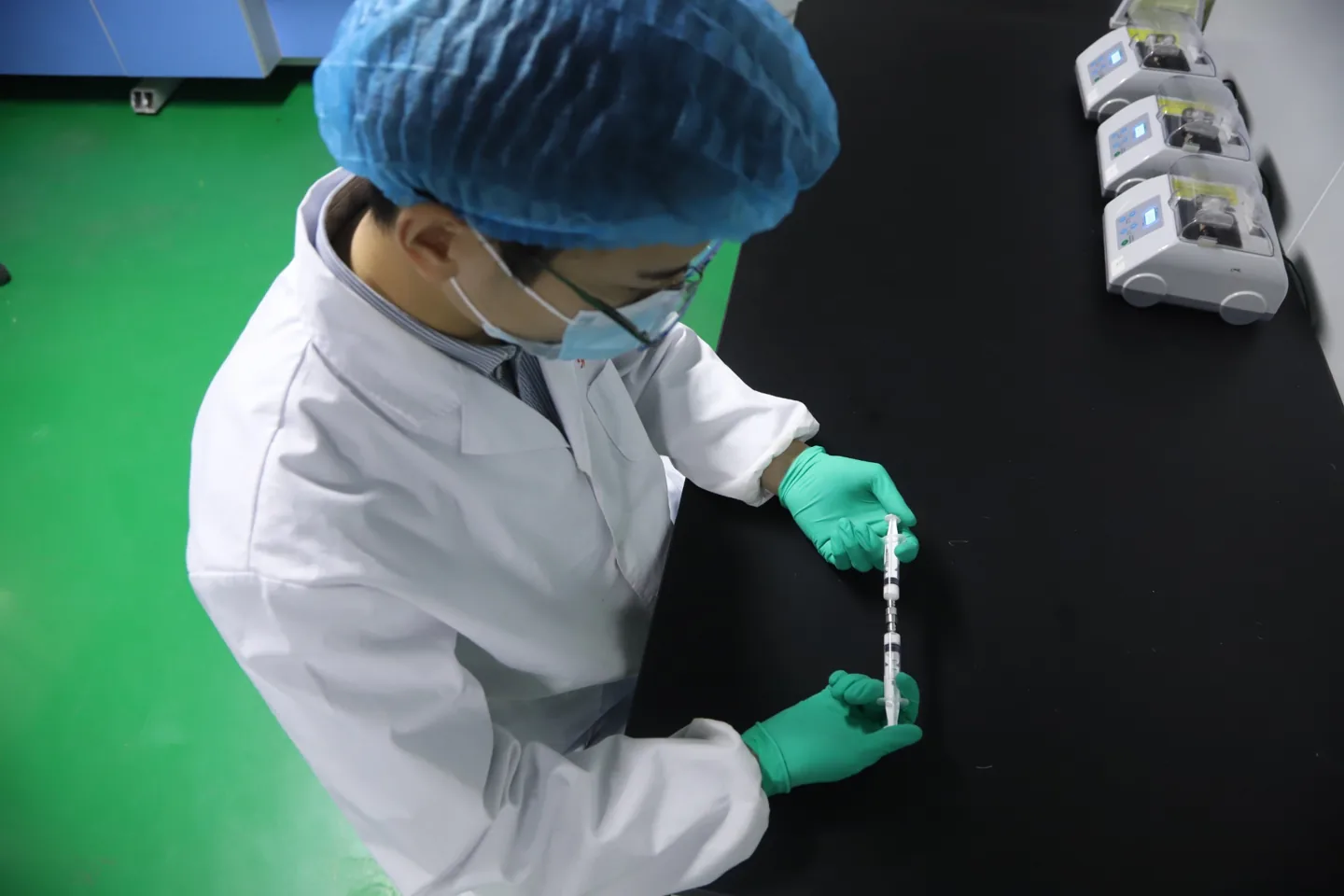
Syringe-to-syringe mixing according to the agreed preparation procedure.
Additional option: Homogenizer-assisted emulsification can also be discussed where required by the approved protocol. Method selection depends on the formulation and project requirements.
Following preparation, we perform a visual drop-in-water check in accordance with the applicable procedure to assess emulsion behavior. Method selection, observation criteria and any additional quality checks are agreed for each project. This check is an in-process assessment, not a stand-alone guarantee of emulsion stability or antigen integrity.
Client provides a coded antigen identifier, immunization protocol, animal requirements and necessary safety and handling information.
Agree feasibility, production schedule, documentation and deliverables.
Execute the customer-directed animal immunization program.
Collect material according to the agreed program and schedule.
Separate, handle and package according to the agreed requirements.
Prepare applicable records and coordinate delivery arrangements.
We can work with coded antigen identifiers under a non-disclosure agreement, without requiring disclosure of proprietary target identities to the routine production team.
ELISA is an optional service—not a mandatory step in every RabbitSerum project. Your team retains control over testing acceptance criteria and project decisions.
We prepare interim serum samples for shipment to your laboratory. Your team performs titer or application-specific testing and tells us the next approved step. International shipment is subject to applicable import requirements.
With mutually agreed reagents, method, controls and acceptance criteria, we perform optional ELISA titer testing and send the data and report for your review. Method feasibility is confirmed before work begins.
We can compare agreed ELISA results with your laboratory during an initial project, then agree on which future sampling checkpoints require international shipment.
After reviewing results, customers provide written instructions to continue immunization, request further testing, pause the project or authorize evaluation for the next collection stage. All procedures remain subject to approved protocols, veterinary review and animal welfare requirements.
ELISA titer results do not automatically establish antibody performance in a particular downstream application.
No. Our current primary offering is customer-directed animal immunization, blood collection and antiserum preparation, rather than a complete custom antibody development service.
Yes. Customer-supplied antigens and protocols are our typical working arrangement. Operational requirements are reviewed before acceptance.
We can discuss repeat production and collection programs depending on protocol suitability, capacity and project terms.
We are open to discussions about remote or on-site audits and available project documentation, subject to agreement.
Yes. Projects may use coded antigen identifiers under an NDA. We still require sufficient safety, handling and regulatory information to assess and carry out the work.
No. Most clients may choose to test interim serum samples in their own laboratories. Optional ELISA titer monitoring or combined testing can be discussed if the required method and reagents are available.
Depending on the approved project model, customers may authorize evaluation for terminal collection or a long-term maintenance and repeat collection program. Final timing and procedures remain subject to animal welfare and veterinary oversight.
Our contract rabbit immunization programs use New Zealand rabbits. We support subcutaneous (SC) and intradermal (ID) immunization routes, subject to the customer-approved protocol and veterinary oversight.
We usually collect a test bleed after the third immunization. Customers may evaluate the sample in their own laboratory or discuss optional ELISA titer testing performed by our team.
Yes. Our cell processing laboratory offers rabbit PBMC isolation and cryopreserved delivery. See rabbit PBMC preparation capabilities.
Share your animal requirements, schedule, deliverables and destination so we can evaluate the production scope.